


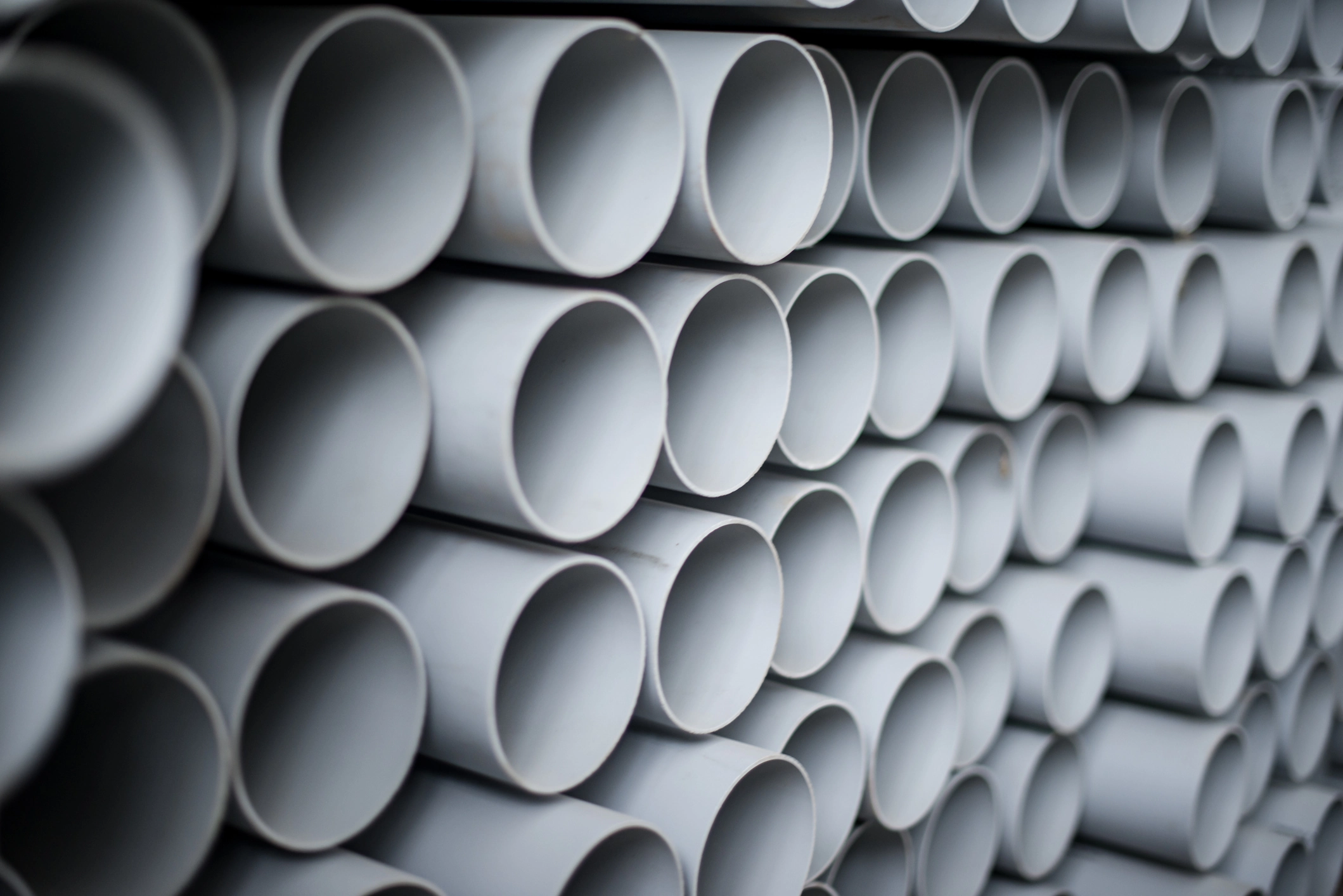
Compliance requirements, along with safety measures, necessitate care to prevent conduit expansion. Polyvinyl chloride (PVC) and high-density polyethylene (HDPE) are both susceptible to expansion and contraction, typically related to temperature changes. Those changes in size lead to stress on the entire system, and over time, can create warping, cracking, and even failures.
With high-quality PVC & HDPE conduit available, repairs are commonly necessary and possible. However, in the ideal environment, the goal is to prevent conduit expansion from occurring in the first place.
Why Thermal Expansion Happens
To alleviate concern and minimize risk, it helps to understand how and why thermal expansion happens. Thermal expansion and contraction are expected when temperatures change, and both of these materials are at a high risk of this process happening. PVC materials have a higher coefficient of thermal expansion (by a rate of three times as much as aluminum and six times as much as steel). With HDPE, significant thermal expansion and contraction occur as well, at a rate of about one inch for every 10 degrees Fahrenheit for every 100 feet of pipe.
Warping occurs due to UV degradation, typically from direct sunlight exposure. This can cause the surface to discolor and, over time, reduce the overall strength of the material. When exposed to high temperatures and significant UV for long periods, these materials will fade, crack, and delamination can occur.
How to Prevent Conduit Expansion
There are various strategies available to prevent conduit expansion to minimize these risks. It is typically a combination of all of these methods that can result in the best possible outcome.
Ensure Proper Installation
A good place to start is with a proper installation specific to the application. For example, for expansion fittings, PVC conduit needs to be above-ground, whether the length change is anticipated to be ¼ inch or higher due to thermal expansion or contraction. When placing these fittings like this, it enables the conduit to expand and contract as the temperatures change, reducing the risk of constant pressure that causes warping and cracking.
Another factor to consider is slack. By leaving a small amount of slack present, there is less risk to the entire system. For example, if the conduit is passing through a rigid mounting point or walls, these non-forgiving areas demand more flexibility. That added slack can accommodate movement and reduce the risk of stress. By doing so, you reduce the risk of warping occurring.
For the proper installation of PVC conduit, it is also important to think about UV protection. PVC conduit for any type of above-ground installation will need protection from direct sunlight. There are several strategies available to help you achieve this.
- Use UV-resistant PVC conduit – though pricier, it’s made for above-ground use and resists warping.
- Apply water-based latex paint to existing PVC to boost UV protection, though it’s less durable.
- Store PVC conduit in the shade before installation to avoid heat and UV damage.
Underground Burial Concerns
It is also helpful to note that, in situations where possible, you can keep both HDPE and PVC underground (not withstanding the standards cited here). Keeping products out of sunlight tends to be critical to prolonging their life and preventing conduit expansion from worsening.
The Right Material Makes the Difference
Perhaps one of the most important strategies to take to prevent conduit expansion and complications from it is to choose a quality product. You should know what you are buying and who you are buying it from, even if you are buying wholesale conduit.
At Divergent Alliance, you will only find high-quality materials that are properly rated for a variety of applications. For example, our above-ground conduit, which is necessary in these situations, is.
Equipment we supply meets the most stringent of requirements. However, there are additional benefits to using our products. For example, our WL Plastics HDPE Conduit is durable, flexible, and impact resistant, as you need it to be. It creates the pathway for power utilities, telecommunications, and fiber optics. It is also:
- Made from high-grade HDPE that has no fillers in it and no recycled material. This ensures certification to ASTM D3350 standards.
- It is flexible, which means it can handle the shifts in most terrain and ground movement without becoming so strained that it cracks or warps.
- It is thermal resistant, allowing it to meet all of the standards noted.
When you need reliable products, turn to Divergent Alliance. Let our team help you install the best solutions on the market today to keep your project moving forward. Contact us today!