


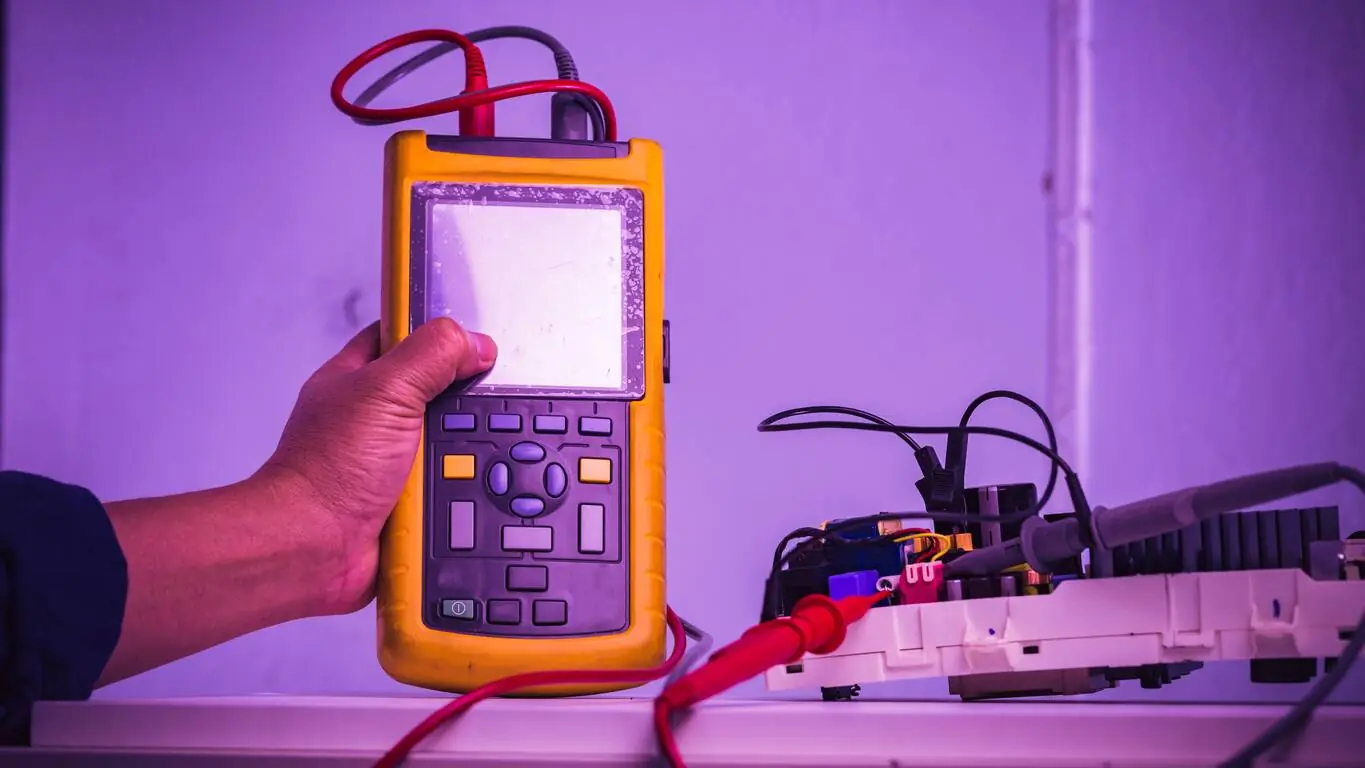
In industries that rely on electrical infrastructure, worker safety depends heavily on properly maintained equipment. Electrical safety tools must perform reliably to protect crews working on both high-voltage and low-voltage systems. For utilities, electrical contractors, and maintenance teams, proper equipment testing and maintenance play a critical role in ensuring safety and reliable system operations.
When exactly does equipment need to be tested?
Understanding the difference between Acceptance vs. Maintenance Testing is critical. These two testing phases serve different purposes, occur at different times, and protect your organisation in different ways. Confusing them can lead to compliance failures, operational downtime, or safety exposure.
If you are unsure whether your equipment requires Acceptance Testing, Maintenance Testing, or both, speak with Divergent Alliance to assess your compliance and inspection schedule before gaps turn into risks.
Acceptance vs. Maintenance Testing, Side-by-Side Comparison
To clearly understand Acceptance vs. Maintenance Testing, the table below highlights their core differences.
| Category | Acceptance Testing | Maintenance Testing |
| Timing | Before commissioning or after major changes | During ongoing operations |
| Trigger | Installation, major repair, modification, or relocation | Scheduled intervals, preventive maintenance cycles |
| Primary Objective | Verify initial compliance and performance | Ensure continued integrity and compliance |
| Frequency | Event driven | Schedule driven |
| Scope | Often comprehensive and system-wide | Targeted, periodic checks based on risk |
| Regulatory Impact | Helps verify equipment meets safety standards before first use | Ensures equipment remains safe and reliable during service |
| Risk Focus | Prevents commissioning unsafe or non-compliant systems | Prevents degradation-related failures over time |
| Documentation | Commissioning and acceptance reports | Maintenance logs and inspection records |
Both processes are essential. They serve different stages of the asset lifecycle and should never replace one another.
What Is Acceptance Testing?
Acceptance Testing is the initial verification process performed before equipment is put into service. It confirms that newly installed, repaired, or modified equipment meets required design specifications, regulatory standards, and operational expectations. This type of testing happens at the beginning of an equipment lifecycle or after major changes.
Think of Acceptance Testing as the proof check before a system is officially declared fit for operation.
When Is Acceptance Testing Required?
Acceptance Testing is typically required in the following situations:
- Installation of new equipment
- Commissioning of a new facility
- After a major overhaul or refurbishment
- After significant modifications
- Following the relocation of equipment
- After the replacement of critical components
Purpose of Acceptance Testing
Acceptance Testing verifies three primary factors.
1. Compliance
It ensures the equipment meets manufacturer specifications and applicable electrical safety standards.
2. Performance
The system must operate according to the manufacturer’s specifications and engineering design.
3. Safety Readiness
Before personnel rely on the equipment, it must be validated under real-world or simulated operating conditions.
Without this verification, you risk putting unproven systems into service.
What Is Maintenance Testing?
Maintenance Testing is an ongoing verification carried out throughout the equipment’s operational life. Its goal is to ensure continued performance, compliance, and reliability. Unlike Acceptance Testing, which happens at installation or after major changes, Maintenance Testing follows a structured schedule.
This is the difference at the heart of Acceptance vs. Maintenance Testing.
- Acceptance Testing confirms readiness to start operations.
- Maintenance Testing confirms readiness to continue operations.
When Is Maintenance Testing Required?
Maintenance Testing is typically required:
- At regular intervals defined by company safety procedures or industry standards
- As part of preventive maintenance programs
- After minor repairs
- During annual or periodic inspections
As part of asset integrity management plans
Practical Examples in Electrical and Utility Work
Grounding Assemblies and Jumper Cables
New grounding assemblies and jumper cables should undergo Acceptance Testing to verify electrical continuity, resistance levels, and build quality before being deployed in the field. Ongoing Maintenance Testing ensures the equipment remains safe and free from damage or wear.
Disconnect Devices and Switches
Acceptance Testing confirms that newly installed disconnect devices and switches operate correctly and meet safety specifications. Maintenance Testing verifies continued reliability when isolating electrical systems during maintenance work.
Insulated Tools and Electrical Safety Equipment
Insulated tools must meet safety standards before entering service. Acceptance Testing verifies insulation integrity, while periodic Maintenance Testing checks for insulation degradation or physical damage.
These examples show how Acceptance vs. Maintenance Testing serve different but complementary roles, ensuring equipment is safe before first use and remains reliable over time.
Why Confusion Happens in Acceptance vs. Maintenance Testing
In many utility and electrical service environments, responsibility for equipment testing is shared between field crews, safety teams, and equipment managers.
Common misconceptions include:
- Believing that a successful Acceptance Test eliminates near-term Maintenance Testing
- Assuming Maintenance Testing can replace commissioning requirements
- Overlooking testing after equipment relocation
- Misinterpreting inspection intervals under regulatory codes
Clear procedures and defined accountability help prevent these errors.
When Does Equipment Need to Be Tested?
To answer the central question, equipment must be viewed across its full lifecycle.
Phase 1. Installation and Commissioning
Acceptance Testing is mandatory. Equipment must not enter service without successful validation.
Phase 2. Operational Use
Maintenance Testing applies according to scheduled frequencies and regulatory intervals.
Phase 3. Modification or Major Repair
Significant alterations trigger renewed Acceptance Testing for affected components.
Phase 4. Incident Response
If equipment experiences abnormal stress, damage, or performance failure, testing is required before returning to service. The depth of testing may resemble commissioning standards.
Phase 5. Periodic Recertification
Some equipment requires deeper inspection cycles, which may integrate both acceptance level verification and maintenance requirements.
The safest approach is to treat testing as a continuous lifecycle process rather than a one-time milestone.
Safety Standards and Industry Guidelines
Testing practices for electrical safety equipment are typically guided by industry standards, manufacturer recommendations, and company safety procedures.
Depending on the equipment and type of work being performed, testing requirements may be influenced by:
- National Electrical Code (NEC) guidance
- Occupational safety standards for electrical work
- Manufacturer specifications for electrical equipment
- Utility company safety procedures and maintenance programs
- Industry best practices for grounding and electrical protection equipment
In many cases, responsibility for equipment testing falls directly on the company using the equipment. Utilities and electrical contractors must ensure that grounding assemblies, jumper cables, insulated tools, and other electrical safety equipment are regularly tested and properly maintained.
Maintaining clear records of testing and maintenance helps ensure equipment remains safe, reliable, and ready for use in the field.
Lifecycle Integrity Requires Both Testing Phases
Acceptance Testing answers the question:
Is this equipment safe and compliant to begin operating?
Maintenance Testing answers the question:
Is this equipment still safe and compliant to continue operating?
Both are non-negotiable in high-risk industries.
Equipment must be tested:
- Before initial use
- After major modification
- At defined inspection or maintenance intervals
- After significant repair
- Before returning to service following damage
When managed correctly, these two testing phases work together to protect personnel, assets, and operations throughout the entire lifecycle.
Ensure Ongoing Equipment Testing Compliance With Divergent Alliance
Maintaining the correct testing schedule is essential for safety, internal safety standards, and operational reliability. Knowing when to perform Acceptance vs. Maintenance Testing ensures that equipment is validated both before it enters service and throughout its operational life.
Divergent Alliance specializes in building, testing, and refurbishing grounding assemblies, jumper cables, and other electrical safety equipment used by utilities and electrical contractors. Their services help companies ensure the tools and equipment their crews depend on are safe, functional, and ready for use in the field. Without regular inspection and testing, these safety tools can develop wear, corrosion, or electrical performance issues that may compromise worker safety.
By working with an experienced testing provider, companies can ensure their tools are properly maintained, repaired when needed, and returned to service in safe working condition. Regular testing and refurbishment also help extend equipment lifespan while reducing the risk of failures in the field.
Whether you are reviewing your maintenance testing schedule or preparing for safety procedures, Divergent Alliance provides the expertise needed to keep your equipment safe, reliable, and ready for use.Contact us today to discuss your equipment maintenance testing requirements and ensure your systems remain safe and reliable.