


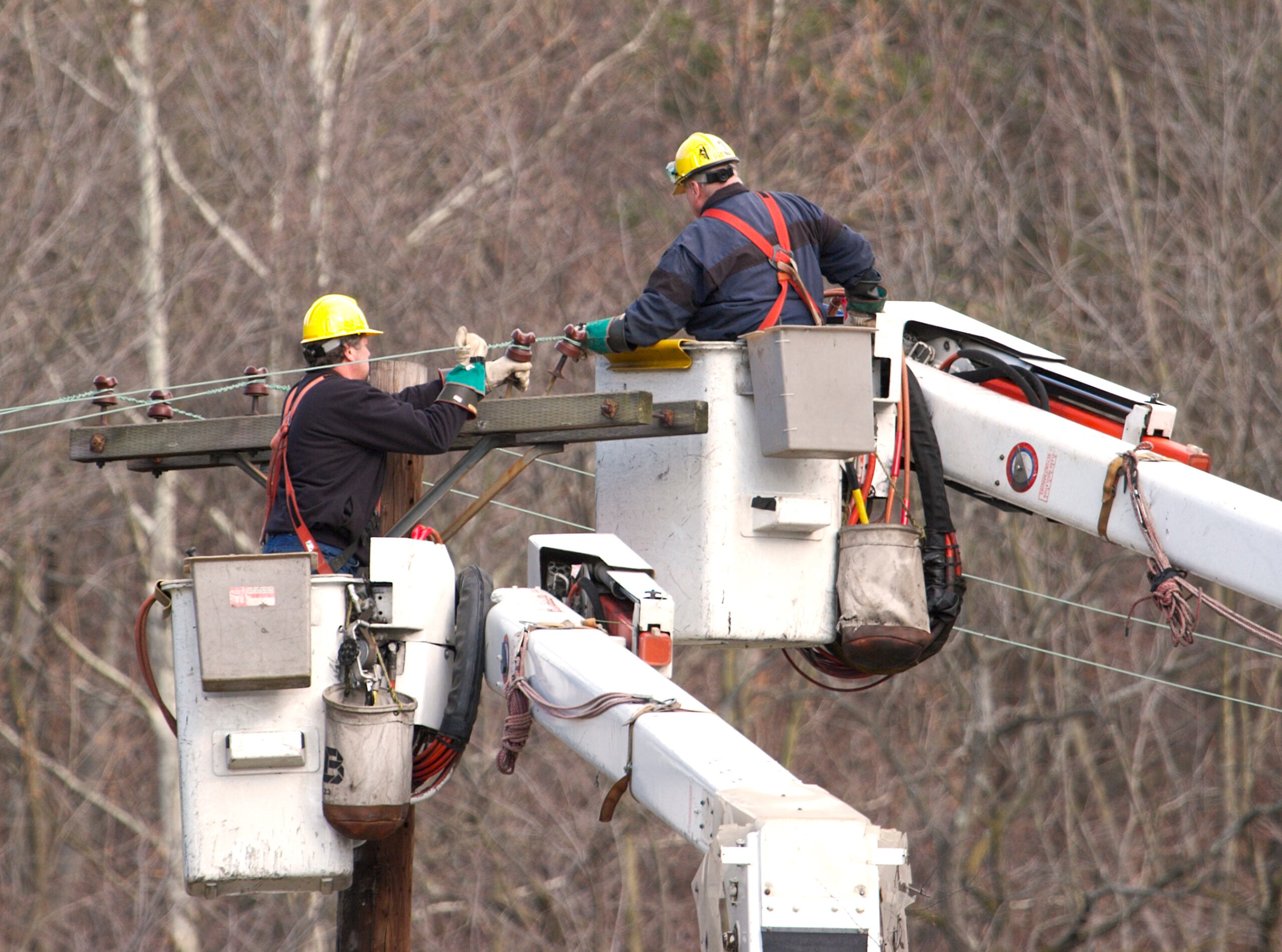
In the high-stakes world of industrial electricity, safety isn’t just a checklist—it’s a matter of survival. Among the various hazards facing electrical workers, few are as explosive or devastating as an arc flash. As regulatory bodies like OSHA and the NFPA tighten their grip on safety protocols, businesses must rely on leading electrical equipment suppliers to stay ahead of evolving arc flash requirements.
The central debate often boils down to two methodologies: the simplified Personal Protective Equipment (PPE) Category method (Categories 1–4) and the more rigorous Incident Energy Analysis. While one offers simplicity, the other offers precision. Understanding the nuances between these two could be the difference between a minor incident and a workplace catastrophe.
Understanding Arc Flash at a Fundamental Level
To appreciate the necessity of arc flash requirements, we must first understand the situation itself.
What Is an Arc Flash?
An arc flash is a type of electrical explosion that results from a low-impedance connection through the air to ground or another voltage phase in an electrical system. Think of it as a massive, uncontrolled bolt of lightning occurring inside a piece of equipment.
When an electrical fault occurs, the air ionizes, creating a path for current to flow through the atmosphere. This releases a terrifying amount of energy in a fraction of a second. Temperatures can soar to 35,000°F—four times hotter than the surface of the sun. This heat vaporizes metal components, creating an “arc blast” with pressure waves that can throw workers across rooms and send molten shrapnel flying at hundreds of miles per hour.
Why Arc Flash Is a Serious Safety Risk
The consequences of an arc flash are rarely “minor.” Workers face:
- Severe Thermal Burns: Even at a distance, the radiant heat can cause third-degree burns instantly.
- Physical Trauma: The blast pressure can collapse lungs, rupture eardrums, and cause concussions.
- Vision and Hearing Loss: The blinding flash and deafening bang (often exceeding 160 dB) can cause permanent sensory damage.
- Legal and Financial Ruin: For an employer, a single incident can lead to millions in OSHA fines, workers’ compensation claims, and crippling equipment downtime.
Overview of Arc Flash Requirements
Regulatory compliance isn’t just about avoiding fines; it’s about creating a “culture of safety.” Several key standards govern how we manage these risks.
Key Standards Governing Safety
- NFPA 70E: The “gold standard” for electrical safety in the workplace. It provides the framework for choosing PPE and establishing safety boundaries.
- OSHA (29 CFR 1910): While NFPA 70E is a consensus standard, OSHA enforces the law. OSHA mandates that employers protect workers from known electrical hazards.
- IEEE 1584: This provides the mathematical models and formulas used to calculate the energy released during an arc flash.
The ultimate goal of these arc flash requirements is to ensure that if an arc flash occurs, the worker is wearing enough protection to limit their injuries to a survivable level (typically defined as a second-degree burn or less).
Method 1: PPE Categories 1–4 Explained
For many years, the most common way to meet arc flash requirements was the “Table Method” found in NFPA 70E. This method groups electrical tasks and equipment into four distinct categories.
Breakdown of PPE Categories 1–4
The categories are based on the “Arc Rating” (AR) of the clothing, measured in calories per square centimeter (cal/cm²).
- PPE Category 1 (Min. 4 cal/cm²): The entry-level of protection. This typically involves arc-rated (AR) shirts and pants or coveralls. It’s used for low-risk tasks like basic circuit breaker switching.
- PPE Category 2 (Min. 8 cal/cm²): The most common category for industrial electricians. This requires more robust protection, often including an AR face shield combined with an AR balaclava and heavier AR clothing.
- PPE Category 3 (Min. 25 cal/cm²): This is where things get serious. This category requires “flash suits” (often called “moon suits”) that provide multi-layer protection. It is used for high-risk tasks like racking in switchgear.
- PPE Category 4 (Min. 40 cal/cm²): The highest level of protection. This involves a heavy-duty 40-calorie suit, including a hood, gloves, and multi-layered clothing. If the energy exceeds 40 cal/cm², many safety professionals argue the equipment is too dangerous to work on energized at all.
Advantages and Limitations of PPE Categories
The primary benefit of the category method is simplicity. It doesn’t require complex engineering software. A safety manager can look at a table, identify the equipment, and tell a worker what to wear.
However, the limitations are significant. The tables rely on “assumed” fault currents and clearing times. If your facility’s transformer is larger than the table assumes, or if a fuse is older and slower than expected, the PPE Category 2 suit you’re wearing might only be protecting you from a fraction of the actual energy. In short, the category method is a “one-size-fits-most” approach in a world where electrical systems are increasingly bespoke.
Method 2: Incident Energy Analysis Explained
If the Category method is a “best guess,” the Incident Energy Analysis is a “scientific certainty.”
What Is Incident Energy Analysis?
This method uses the IEEE 1584 equations to calculate the exact amount of thermal energy available at a specific working distance. Instead of saying, “This looks like a Category 2,” an engineer uses software to say, “This panel will release 6.4 cal/cm² of energy.”
Factors Included in the Analysis:
- Bolted Fault Current: The amount of current available during a short circuit.
- Clearing Time: How fast the circuit breaker or fuse trips. This is the most critical variable; the longer it takes to trip, the more energy is released.
- Working Distance: The distance between the worker’s face/chest and the potential arc.
- Equipment Configuration: Whether the arc happens in open air or inside a metal box (which directs the blast toward the worker).
The Output: Precision Labeling
The result of this study is a set of highly accurate labels for every piece of electrical equipment. These labels tell the worker exactly what the arc flash boundary is (the distance at which they must wear PPE) and exactly what calorie rating their suit must have.
Comparing PPE Categories vs. Incident Energy Analysis
When deciding how to meet your arc flash requirements, it’s helpful to compare these two methods side-by-side.
| Feature | PPE Categories (Table Method) | Incident Energy Analysis |
| Accuracy | Estimated / Conservative | Highly Precise |
| Ease of Use | High (No calculations) | Complex (Requires Engineering) |
| Compliance | Acceptable for simple systems | Preferred for complex/large systems |
| Risk of Under-protection | Moderate | Low |
| Cost | Low Initial Cost | Higher Initial Cost (Study fees) |
Accuracy and Risk Management
The Incident Energy Analysis is undeniably safer. It accounts for the actual state of your protective devices. If a breaker is stuck or a relay is misconfigured, the analysis will catch it. The Category method assumes everything is working perfectly—a dangerous assumption in an older facility.
Cost Implications
While an engineering study for Incident Energy Analysis has an upfront cost, it often saves money in the long run. The Category method often leads to “over-protecting,” forcing workers to wear heavy, cumbersome Category 4 suits for tasks that only require Category 2. This slows down work and increases the risk of heat exhaustion. Precision allows for lighter, more comfortable PPE when the data supports it.
Which Method Best Meets Arc Flash Requirements Today?
The trend in the electrical industry is moving away from the tables and toward analysis.
When PPE Categories May Be Acceptable:
- In very small facilities with standard, low-voltage equipment.
- During a transitional period while a full study is being commissioned.
When Incident Energy Analysis is strongly recommended (or required):
- Large Industrial/Manufacturing Plants: Where fault currents are high and systems are complex.
- Data Centers & Hospitals: Where uptime is critical and live work is sometimes unavoidable.
- High-Liability Environments: Where documented precision is required for insurance or legal defensibility.
Common Misconceptions About Arc Flash Requirements
- “Category 4 always means maximum safety.” Not true. If the incident energy is actually 60 cal/cm² and you are wearing a 40-cal suit, you are still in grave danger.
- “Studies are only for big companies.” Small companies face the same physics. A 480V panel doesn’t care about your company’s annual revenue.
- “Once done, a study is good forever.” False. NFPA 70E requires studies to be reviewed every five years or whenever major changes are made to the system.
Best Practices for Meeting Arc Flash Requirements
Beyond just choosing a method, a holistic safety program involves:
- Engineering Controls: The best way to deal with an arc flash is to prevent it. Using “Maintenance Mode” switches to reduce breaker trip times during work can lower incident energy significantly.
- Remote Racking: Using robots or remote actuators to rack in breakers allows the human to stay outside the arc flash boundary entirely.
- Labeling and Training: No amount of engineering matters if the workers don’t understand what the labels mean. Regular training is the heartbeat of safety.
Moving Beyond Categories Toward Precision
While the PPE Category method served us well for decades as a baseline for safety, the modern electrical landscape demands more. As we’ve seen, arc flash requirements are becoming more stringent, and for good reason.
Choosing an Incident Energy Analysis isn’t just about compliance; it’s about providing your team with the most accurate data possible. When a worker knows the exact energy they are facing, they can choose the right gear, maintain the right distance, and return home safely at the end of the shift.
At Divergent Alliance, we specialize in helping businesses navigate these complexities. From providing the highest quality arc-rated PPE to helping you understand your facility’s specific needs, we are your partners in electrical safety. Don’t rely on guesswork—invest in precision, and make safety your facility’s top priority.
Looking to upgrade your fleet’s safety gear or ensure your team is meeting the latest arc flash requirements? Contact Divergent Alliance today for expert guidance and top-tier electrical safety equipment.