


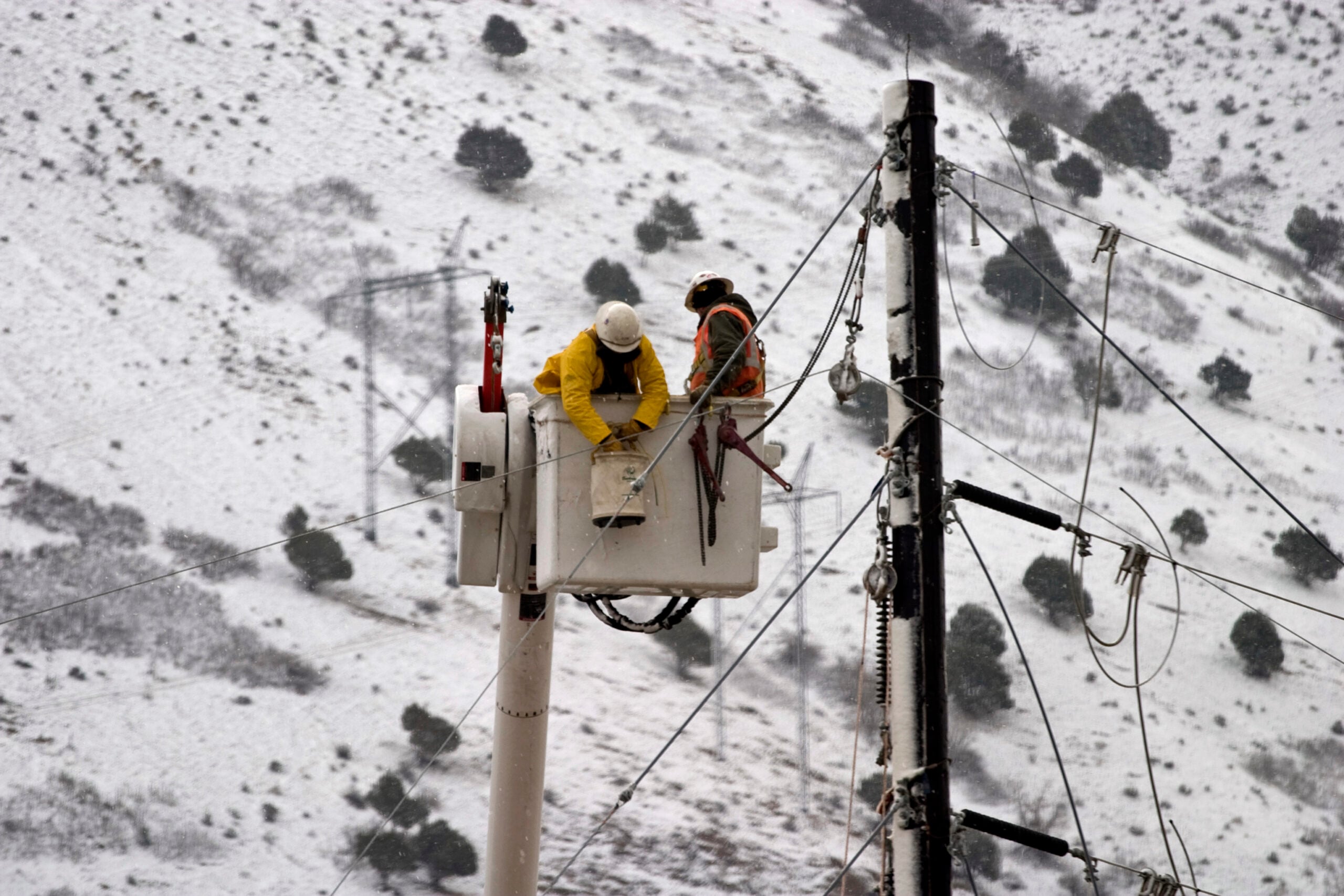
When winter rolls in and temperatures drop, the right gear is more than comfort; it is essential to safety. For electrical linemen working on energized systems in freezing conditions, what they wear and how they maintain their personal protective equipment (PPE) can mean the difference between a safe job and a tragedy.
At Divergent Alliance, we believe in equipping crews with high-performance, compliant equipment and tools that do not compromise mobility, functionality, or safety.
This comprehensive guide explains regulatory mandates, layering strategies, extremity protection, maintenance protocols, and procurement best practices. Use this as your reference for selecting, deploying, and caring for winter gear for linemen!
Regulatory Mandates and Foundational Safety Requirements
Arc‑Flash Protection and Full‑Body Requirements
Lineman safety falls under strict regulations. The Occupational Safety and Health Administration (OSHA) standard 1910.269, along with the standards of the National Fire Protection Association, require that any worker exposed to electric arc hazards wear arc‑rated (AR) protective clothing when the estimated incident energy exceeds 2.0 cal/cm². Flame-resistant (FR) clothing is mandatory for all hazards exceeding that threshold.
Importantly, full-body coverage is required. This means that not only outer jackets, but all layers worn underneath, including base layers, pants, headgear, balaclavas, and socks. These must meet AR/FR criteria if they could be exposed during an arc event.
Non‑compliant synthetic garments, such as polyester or nylon underlayers, are prohibited because under intense heat they can melt onto skin, producing severe secondary burns.
The overall protective system is only as strong as its weakest component. A top‑grade FR parka offers little protection if the underlayers are non-compliant. To meet regulatory requirements and maximize safety, every layer from base to outerwear must be verified.
Arc Rating, ATPV, and Hazard Risk Categories
To help utilities and crews plan protective clothing, the industry uses Hazard Risk Category Ratings (CAT Ratings) defined in relevant standards. Each category corresponds to a minimum Arc Thermal Performance Value (ATPV). This is a measure of thermal protection in cal/cm². The table below summarizes the common categories used for lineman work:
| CAT Rating | Minimum Arc Rating (cal/cm²) | Typical Use in Utility Applications |
| CAT 1 | minimal AR (≥ energy estimate if >2 cal/cm²) | Light tasks, base layers, minimal exposure |
| CAT 2 | ~8–12 cal/cm² (approximate) | Standard tasks with routine arc risk |
| CAT 3 | 25 cal/cm² | Medium to high-risk tasks, mid‑layers or insulated outerwear |
| CAT 4 | 40 cal/cm² | Medium to high-risk tasks, mid‑layers, or insulated outerwear |
Because arc‑flash incident energy can vary and conditions in the field may change, many firms choose to specify gear above the minimum. For example, a CAT 4 parka rated for 59 cal/cm². This creates a safety margin to accommodate uncertainty, enhancing thermal survivability even under unexpected high-energy arcs.
Together, full-body AR compliance and risk-category-based selection form the regulatory foundation for winter gear for linemen. Compliance ensures both electrical hazard protection and resistance to severe burns or melting.
Engineered Layering Systems: Thermal and Arc Protection Synergy
Proper cold‑weather PPE isn’t a collection of random winter gear. It’s a carefully engineered layering system. When layered correctly, each layer contributes both thermal insulation and arc‑flash protection, adding up to a protective system that meets safety standards and keeps crews warm, dry, and mobile.
Base Layer: Moisture Management and Steam‑Burn Prevention
The base layer, worn directly against the skin, plays a dual role: managing moisture and contributing to thermal insulation. In winter work, crews sweat under heavy gear. If sweat remains trapped, it can freeze or — worse — be flash‑boiled during an arc event, causing steam burns.
For base layers, the ideal fabric blend is roughly 60% hydrophobic (water-repelling) fiber and 40% hydrophilic (moisture-absorbing) fiber. This combination pulls perspiration away from skin, spreads it through the fabric, and helps it evaporate fast, preventing moisture build-up and reducing both chilling and steam‑burn risk.
When selecting base-layer garments, prioritize those labeled FR/AR compliant. Moisture-wicking alone is not sufficient; the fabric must resist ignition and melting.
Mid-Layer: Thermal Depth and Cumulative Arc Rating
The mid-layer adds bulk insulation — essential when temperatures drop below freezing or in harsh winter wind and snow conditions. But crucially, this layer also contributes to the cumulative arc rating of the system.
Common mid-layer garments include FR fleece jackets, FR vests, or FR-lined coveralls. Modern materials like Polartec FR fleece or specialized FR wool blends combine thermal warmth, breathability, and arc resistance, without excessive bulk or stiffness.
By layering a moisture-wicking base layer, an FR mid-layer, and then a high-performing outer layer, linemen can meet or exceed CAT 3 arc protection while staying mobile and comfortable. This layered approach offers adaptability — crews can adjust thermal insulation and arc protection depending on task hazard and weather conditions.
Outer Layer: Weatherproof Barrier and Final AR Shield
The outer layer is a lineman’s first line of defense against snow, rain, wind, and other environmental hazards. For winter conditions, this outerwear must serve dual functions: thermal weather shelter and arc-flash barrier.
Outer garments — parkas, insulated coveralls, bibs — must be FR/AR-rated, water-repellent, wind-resistant, and insulated. Many include integrated high-visibility striping for low-light or roadside work. Insulation typically uses aramid materials (Nomex or similar) with proprietary weather-resistant coating. Reflective striping must meet visibility specifications if used near roadways.
Water repellency is critical. If the Durable Water Repellent (DWR) coating wears off, the outer fabric can soak up snow or rain, wetting out the insulation and destroying the trapped air pockets that provide both thermal insulation and a secondary barrier against conductive heat — drastically increasing cold exposure risk. Routine inspection and re-treatment of DWR coatings is therefore essential.
For the highest exposure tasks, like overhead line and high voltage work, a CAT 4 parka rated for 59 cal/cm² offers a safety margin. That extra protection accounts for uncertainty in hazard energy calculations, ensuring thermal survivability even if conditions exceed predictions.
Specialized Protection for Extremities: Hands, Head, and Feet
While suits, jackets, and gloves protect the torso, extremities demand their own specialized protection. In cold, wet, high-voltage environments, hands, head, face, and feet are exposed to a blend of electrical, thermal, and environmental hazards. The right system combines layered thermal protection, arc-rated coverage, electrical insulation, and slip-resistant design.
Hand Protection: Layered System
Lineman hand protection in winter requires careful layering:
- Thermal liners under insulating gloves — these add warmth, absorb sweat, reduce chafing, and prevent chilled hands under cold rubber. Liners must be FR-compliant.
- Insulating rubber gloves — required for electrical isolation, per ASTM/OSHA standards. These gloves themselves provide dielectric protection but minimal thermal insulation.
- Leather protector gloves worn over rubber gloves for mechanical protection and secondary arc/flame resistance; high-quality protectors may add up to 37 cal/cm² ATPV.
This layered approach preserves dielectric protection while adding warmth, abrasion resistance, and arc‑flash protection. A strong thermal outer glove helps prevent damage to the rubber glove during an arc flash, maintaining insulation and protecting from both heat and shock simultaneously.
Note that gloves need testing to ensure they are up to standard for use and do not have potential for failure. Learn more about our equipment and glove testing services here!
Head, Neck, Face, and Leg Protection
After torso and hand PPE, the next critical zones are head, face, neck, and lower legs/feet. Standards require all worn garments to be FR/AR compliant where arc risk exists. This includes balaclavas, gaiters, FR socks, and insulated bib pants or bib overalls.
Balaclavas or FR neck gaiters should meet at least CAT 2 (e.g. ~9–10 cal/cm²) and ideally CAT 3 for overhead work. Materials like FR fleece or FR-rated merino blends offer comfort, thermal insulation, and arc‑flash resistance.
Underpants and socks must be FR or otherwise compliant. Many utilities now supply FR-rated thermal socks made from aramid blends or FR merino wool blends. Insulated boots must meet Electrical Hazard (EH) standards (ASTM F2413) and provide deep snow protection, insulation, and slip-resistant soles.
Footwear: Electrical Hazard Protection + Cold, Wet Traction
Boots for winter lineman work must integrate multiple performance characteristics:
- Electrical Hazard (EH) compliance and safety toe protection.
- Insulation: synthetic insulations like PrimaLoft rated 200 to 400 grams are common, sufficient for sub-freezing work.
- Waterproofing and sealing to prevent snow or water ingress, which destroys insulation integrity and increases cold exposure.
- Slip-resistant, cold-weather outsoles with deep treads or specialized traction compounds (e.g., modern winter traction rubber) that remain pliable in freezing conditions, with lugs to grip snow, slush, and wet ice.
Fit matters. Boots must accommodate thick, FR socks without compressing the insulation — a strict fit prevents circulation restriction and cold injuries. Cushioned insoles or reflective heat‑retaining linings help reduce conductive heat loss.
Combined — boot insulation, proper socks, waterproof sealing, and traction — make the difference between stable work on ice and dangerous slips. Slip-related injuries are among the most common cold-weather accidents.
Inspection, Maintenance, and Compliance
Winter PPE for linemen must be procured, stored, maintained, and inspected with rigor. Compliance is not optional — it is a life-saving requirement.
Maintenance Protocols for Clothing and PPE
- Laundering: Only flame‑rated, compliant detergents on gentle cycles. Water temperature should not exceed 86°F (30°C). Garments should be turned inside out, zippers closed, and reflective trim secured. Avoid bleach or strong detergents that degrade FR fabric.
- Drying: Low heat tumble for a short interval followed by air‑dry hang drying to preserve fabric integrity and water‑repellent coatings.
- DWR Re‑treatment: Periodic re‑application of water-repellent coating ensures outer shells remain water-shedding and insulation stays dry.
- Inspection: Before each wear — check for damage, wear, seam integrity, water saturation. Threads or tears compromise protection. Replace items that fail inspection immediately.
Procurement Strategy and Total Cost of Ownership
High‑quality winter PPE is an investment. When comparing options, evaluate not just initial cost, but long-term durability, certification documentation (UL, NFPA, ATPV), maintenance costs, worker comfort, and productivity losses due to cold stress.
Procurement should be based on hazard risk assessments (HRA), not a one-size-fits-all approach. Stock appropriate PPE sets for varying risk categories — for example, basic CAT 2 gear for low-risk tasks in mildly cold conditions, and CAT 4 insulated outerwear for high-voltage or severe weather environments.
Demand full documentation from vendors — ATPV test reports, UL listings, batch numbers — and maintain a tracking system to ensure compliance throughout gear lifetime.
Building a Winter Gear System: A Practical Approach
- Conduct a hazard risk assessment (HRA) for your crews, task types, and environments.
- Define required PPE levels by CAT rating: base layer, mid-layer, outerwear, gloves, footwear, head/face protection.
- Procure certified FR/AR-rated gear from reputable suppliers.
- Implement training so crews understand layering logic, inspection, maintenance, and emergency protocols.
- Establish a PPE management program: inventory tracking, periodic testing, laundering, re-treatment, and replacement scheduling.
- Monitor field performance: collect feedback, log incidents, and revise the PPE system based on real-world use and shifting hazard profiles.
With this process-oriented approach, winter gear becomes part of operations — not an afterthought.
Prioritize Winter Gear for Linemen – Safety is on the Lin
Electric utilities operate year-round. Winter outages, emergency repairs, and line resets — these cannot wait for warm weather. But cold environments impose additional hazards beyond electricity: frostbite, hypothermia, slips, reduced mobility, and loss of insulating integrity.
Well-engineered winter gear protects the lineman on multiple fronts: electrical shock, arc-flash burns, cold stress, environmental exposure, and mechanical hazards. By investing in high-quality PPE and adherence to standards, utilities minimize risk, reduce lost-time injuries, maintain uptime, and protect both people and assets.
Additionally, comfortable, well-fitting gear reduces fatigue, allows longer working times in adverse weather, and supports productivity. This is extremely important when crews must respond quickly to winter emergencies.
For linemen, cold weather means added danger. For management, it means added liability. A robust winter PPE program turns that liability into managed risk. Contact Divergent Alliance today and ask about our equipment supply services!