


In the ideal situation, fully and even over-preparing for a storm outage is possible. By creating a clear plan, you can keep your community’s power on and get it back up quickly when outages occur. Unfortunately, the ideal situation rarely happens, and storm restoration becomes challenging.
Communities cannot handle long delays when it comes to power outages. Still, utilities continue to face increasing pressure to keep costs down, meet electricity demands from customers as they become more digital year after year, and mitigate reputational harm from the general public not understanding the process nor your challenges.
What can you do? With the support you need in storm restoration and by recognizing the most commonly applicable challenges, you can create a path forward that eliminates risks and enhances performance during even large-scale events.
Common Shortcomings In Storm Restoration
Power line restoration is a priority, but various factors typically impede the process, making it challenging for teams to restore utilities. The following are some of the most common processes leading to inefficiencies.
- Limited preparation time. If utility organizations limit their preparation time to the period just before storm season, they are missing core opportunities to plan and prepare long before that period.
- Limited awareness. All stakeholders must be aware of the risks and challenges the organization faces right now. By identifying the hazards in utility storm restoration for your area, such as response times due to limited employees or resources, new solutions can be developed.
- Lack of time to educate. Another common shortcoming in this industry concerns all stakeholders’ preparation and knowledge development. If not enough time is spent educating, training, and refining the knowledge of storm restoration teams, they cannot be expected to meet the increasing demand.
- Lack of role-based simulation. Another common shortcoming is a lack of experience. Without simulation in various roles, teams cannot meet the need to be highly efficient when a storm hits.
- Lack of a comprehensive storm response plan. Organizations cannot meet the efficiencies necessary without a custom-designed, modernized, and practiced storm response plan. A custom storm response plan should never be a rushed process.
Numerous factors contribute to these shortcomings, including budget constraints and inferior knowledge of your community’s risks. Yet, the number of large-scale weather events is making it clear that there is an increasingly critical need for more advanced solutions.
How Can Communities Manage Storm Damage Recovery More Efficiently?
For normal and moderate-risk events, teams can take steps to sharpen their ability to meet demand. Your emergency response services may benefit from the following considerations:
Analyze existing people.
People are your most significant resource and asset when utility infrastructure repair is needed. To ensure you have the right level and type of skill present, analyze your people thoroughly. Look at the number of experienced personnel present and their follow-up teams—who will replace the current team when they age out. Create a plan for the next generation to minimize the risk of retirement-related talent gaps.
Improve system knowledge.
Many utilities are struggling with the amount of enterprise technology being implemented. Moreover, this technology needs to be updated over time, including geospatial information systems and energy management systems.
Storm profiling
Storm profiles and past event analysis are other strategies necessary to improve operational efficiency when there is a risk. Factors such as event type, date, preparation time, and escalation time should be considered. Factors like the duration of the event peak, the number of customer minutes of interruption on average, and the volume of assets damaged should be analyzed. Learning from the past enables you to prepare for the future.
Preparation Scheduling
Preparing for events may be best done weeks and months ahead of the typical start of the season. While a variety of last-minute changes and training steps are often necessary, it is best to plan out these tasks in advance to ensure proper support when that first storm hits. Having and maintaining a preparation schedule, simulation training, and a well-aligned people and system plan is critical to creating a consistently high response to events.
Recognize the Need for Ready-to-Go Help
When considering the importance of storm restoration, it is critical to be realistic about your disaster relief efforts. What can your utility provide in a realistic timeframe right now? Generally, it may not be enough to achieve the most effective storm damage recovery.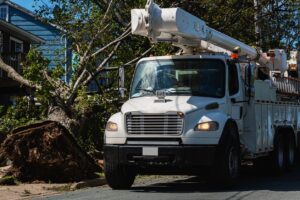
This is where the utilization of emergency restoration electrical crews to handle your power outage is critical. Emergency response services like this, including Divergent Alliance, have very specific, trained professionals who are ready to roll out as soon as the storm rolls in. There are several key benefits to using these resources for power line restoration and overall storm damage recovery.
- Experienced leadership is critical. Divergent Alliance is one of the fastest-growing IBEW storm companies in the country. We are also led by former linemen, which means we know what needs to be done to improve operations.
- Strategic logistics and planning ensure that a team is available 24/7 to respond quickly, with teams situated in key areas in the Midwest, Mid-Atlantic, and Northeast.
- Safety first is the priority. While speed is critical in these situations, safety should be even more of a priority. We believe in following safety protocols, best practices within the industry, and never-compromised emergency response efforts.
Getting the Support You Need – Talk to Divergent Alliance
Community utilities cannot always effectively handle storm restoration in-house. Though a storm response plan is critical, and long-term emergency response services must be trained, it is still critical to recognize that getting help matters.
Contact Divergent Alliance to set up a plan to deal with your next emergency.